Pillar · 01
Public safety
and fairness coexist.
Treat them as opposed and you will lose both. Treat them as one project and the system slowly earns trust again.
Eight years of programs that shifted how Los Angeles County prosecutes — and several that became national models. The throughline: protect the public, protect the rights of the accused, and protect the people the system has historically forgotten.
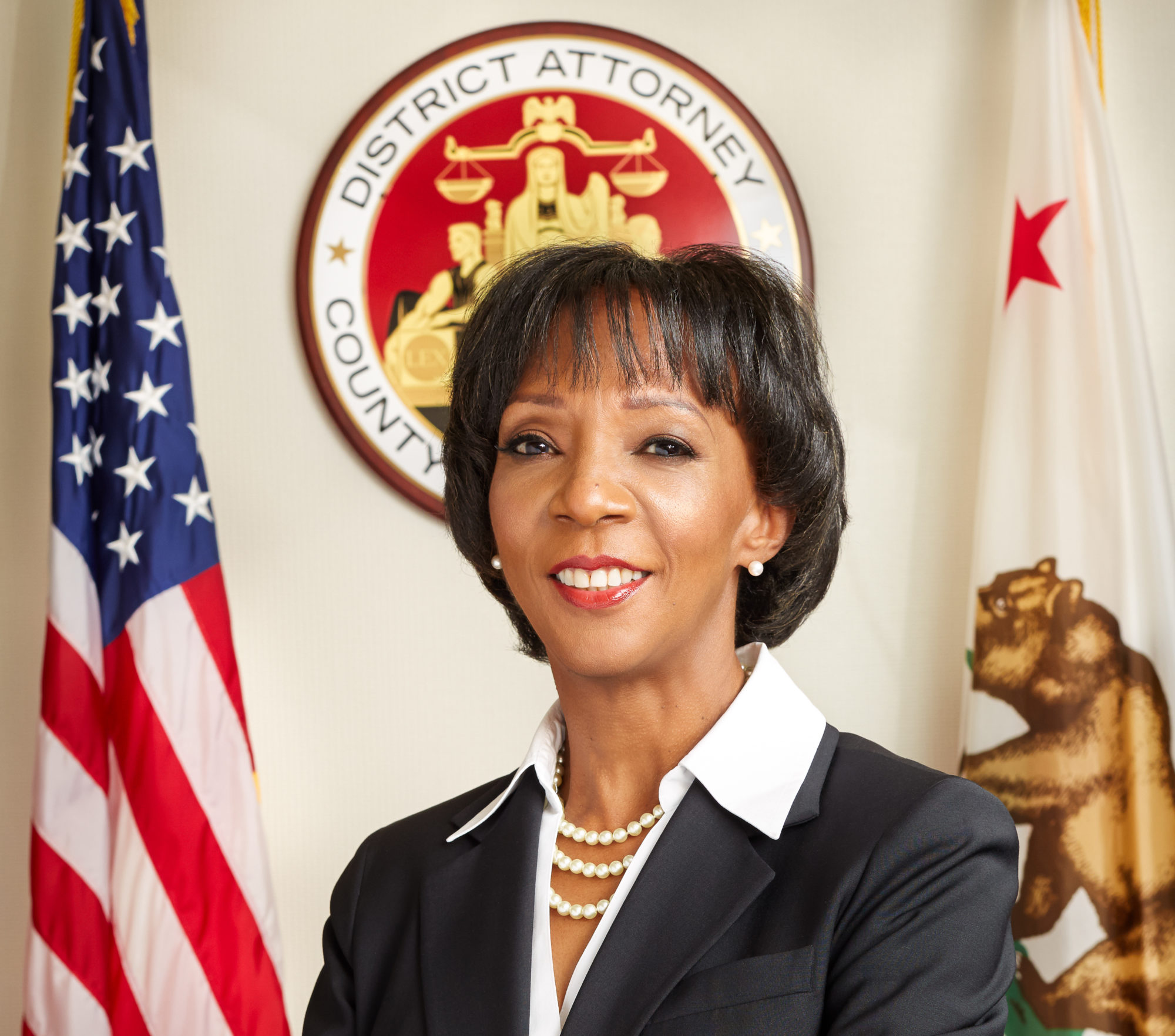
Long before "diversion" was a campaign slogan, Jackie convened the Mental Health Advisory Board — clinicians, law enforcement, defenders, and advocates working together to redesign how Los Angeles County met people in crisis.
A snapshot of the operational work — selected initiatives during her tenure as District Attorney, 2012 to 2020.
Founded the nation's first dedicated Animal Cruelty Prosecution Program — a model since adopted in jurisdictions across the country.
National ModelBuilt an award-winning, county-wide framework for mental-health diversion and crisis-intervention training.
Award WinningStrengthened the office's response to hate-motivated crime — building on her earlier prosecution of LA's first race-based hate-crime murder.
Civil RightsMade protecting seniors from financial fraud a top office priority, expanding investigative capacity and victim services.
Top PriorityEstablished a dedicated Human Trafficking unit — pursuing traffickers while treating exploited individuals as victims, not defendants.
Victim-CenteredExpanded specialized prosecution and victim-support pipelines for the most vulnerable witnesses in the system.
Vulnerable WitnessStood up the office's response to a new generation of digital crime — fraud, exploitation, and intrusion.
Modern ThreatPursued criminal liability where corporate negligence cost workers their lives — pushing the limits of public-safety enforcement.
AccountabilityBuilt capacity to prosecute environmental violations as crimes — not regulatory afterthoughts.
Public HealthCreated a focused, neighborhood-level graffiti-prosecution program to restore civic ownership of public space.
CommunityLed the county's gun-prosecution program in partnership with federal and local agencies — focused on the small number of repeat shooters driving violence.
Public SafetyEstablished 2015 to investigate innocence claims from people imprisoned for serious felonies when new evidence emerges — extending the office's commitment to justice to its own past work.
Innocence ClaimsPartnered with Code for America in 2019 to identify and reduce or expunge approximately 50,000 marijuana-related convictions following Proposition 64 — among the largest such efforts in the nation.
50,000+ ConvictionsLaunched 2017 to prosecute immigration-service scams targeting vulnerable communities — those who fraudulently pose as attorneys, special agents, or government officials to exploit immigrants.
Immigration JusticeLaunched the District Attorney's first dedicated Mental Health Division in 2019 — believed to be the first of its kind in California — expanding treatment options for mentally ill defendants.
First in CaliforniaIn partnership with the City Attorney and LAPD, cleared more than 300,000 older warrants and citations — disproportionately affecting unhoused residents — so officers could focus on serious crime.
300,000+ CasesCreated a dedicated task force to investigate sexual-abuse crimes in Hollywood, leading to the office's prosecution of Harvey Weinstein on multiple felony counts in January 2020.
High-Profile ProsecutionTreat them as opposed and you will lose both. Treat them as one project and the system slowly earns trust again.
Brady, discovery, fair charging, fair pleas. A prosecutor who forgets this is no longer doing the job.
The people who carry the weight of a crime are the people the system most often fails. They deserve a seat at every table.
If it can't be staffed, trained, measured, and audited, it is a press release. Not a program.
The justice system cannot replace the mental-health system, but it can stop being the failure point of last resort.
One thousand attorneys is one thousand decisions a day. The District Attorney's job is to set the tone that shapes them.
We measured ourselves not by how many cases we filed, but by whether the system treated the next person who walked through our doors better than the one before.Jackie LaceyOn building the office's culture
Victim services were a hallmark of Jackie's tenure as District Attorney. The Los Angeles County District Attorney's Office Bureau of Victim Services continues that work today, providing essential support to victims of violent crime across Los Angeles County.
The Los Angeles County District Attorney's Office is dedicated to protecting and serving our community and safeguarding the rights of crime victims through the unrelenting pursuit of justice. The Bureau of Victim Services provides essential services to victims of violent crime.
Victim services representatives provide a range of free services to help victims become survivors. They work in courthouses and police stations and are available to provide assistance in several languages. Program services are provided free of charge, and there is no legal residency or citizenship requirement. Assistance is available whether a criminal case is filed or not.
Victim services representatives work in coordination with deputy district attorneys and are specially trained to help children, seniors, people with disabilities, and victims of sexual assault, domestic violence, and other violent crime.
The Bureau of Victim Services is a program of the Los Angeles County District Attorney's Office. It is listed here as a public-service resource. If you are in immediate danger, please call 911.
Jackie advises offices and reform initiatives building the kind of programs that actually survive — not just announce well.